

Richard Oppenheim
November 2026
Some of the most rewarding moments in this job come after an event’s formal programme has ended. In my last blog, I reflected on how useful those conversations could be. Eight months into the Diplomatic Advisory Hub (DAH), the follow-up questions and experiences businesses share with us continue to show where diplomatic insight can make the greatest difference. For me, they turn geopolitics from something abstract into the real decisions businesses are making.
The Diplomatic Advisory Hub makes the Foreign, Commonwealth & Development Office’s (FCDO) international expertise, specialist officials and overseas networks easier for UK businesses to access. We work particularly with SMEs, including through the British Chambers of Commerce (BCC) network. We help businesses make sense of international developments, plan better and connect with relevant diplomatic expertise. We do not duplicate the practical export support available from the Department for Business, Innovation, Science and Trade, Chambers and the private sector.
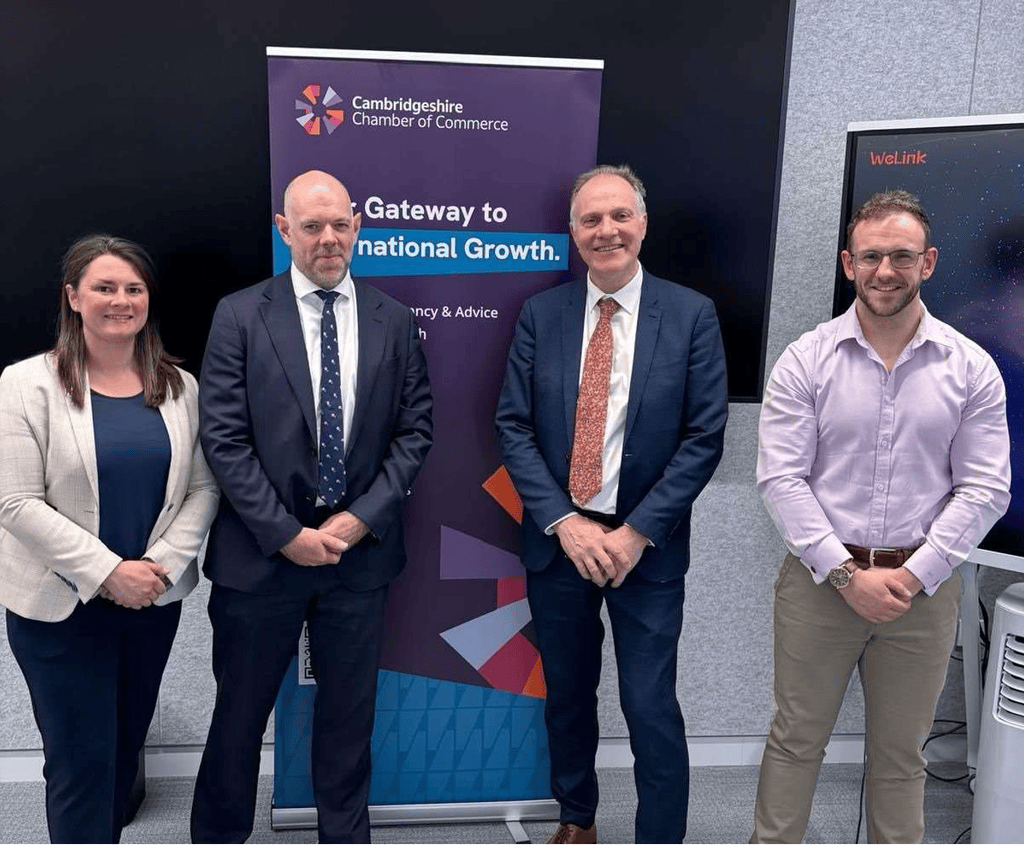
With Steve Lynch (BCC International Trade Director), and Charlotte Horobin, Cambridge Chamber CEO attending the defence event in Cambridge
Why should SMEs care about geopolitics?
Like it or not, international politics now reaches into everyday commercial choices: which markets to pursue, how to manage supply chains and when to expect new rules. The DAH helps businesses diversify into new markets with a clearer view of the risks and opportunities. It also helps them understand policy and regulatory changes before they take effect and reach the right expertise for the specific help they need, whether that is a specialist official in the UK or a colleague in one of our embassies overseas.
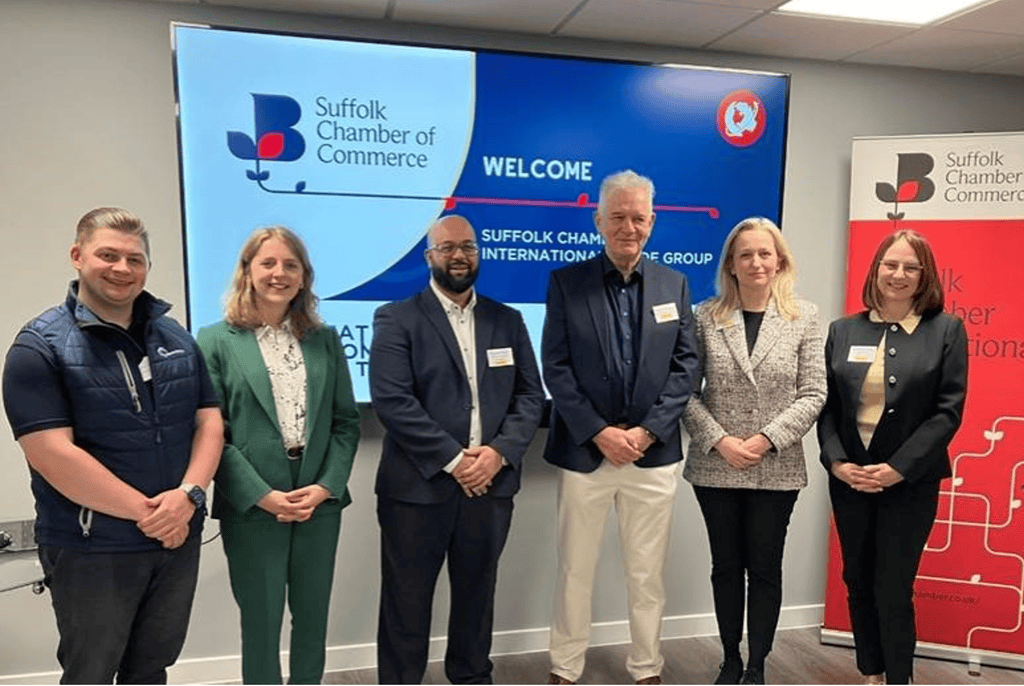
Gail Braybrook (Deputy Head) speaking to businesses in Suffolk
Diplomatic support in practice
A few recent examples show what this looks like in practice. We have:
- Supported a major food and drink manufacturer as it weighed up which international markets to expand into.
- Connected an investment firm with FCDO climate-change experts working on Africa.
- Helped an SME prepare for its first business visit to China. We talked the business through the geopolitical context, cultural norms and business etiquette, and offered practical advice on security and how to access consular support.
- Connected a safety technology business with the right experts around the world. They described our support as ‘human triage rather than digital click circles, joined up multi-channel support, helping us professionalise our export proposition and clearing a path to doors we could never open alone’.
Since March, through visits and webinars across the UK, we have had more than 5,000 engagements with businesses. Alongside that reach, we have built relationships with Chambers and listened closely to their members. Together, those conversations have taught us where businesses most value diplomatic insight and how they want to access it.
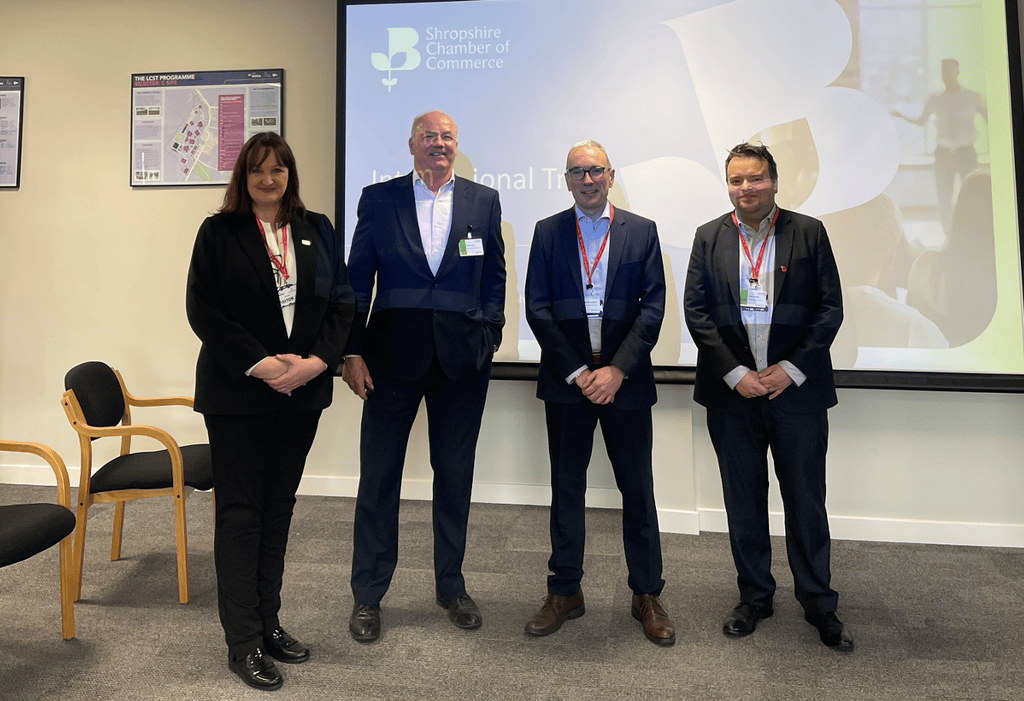
Charlie Merritt (Policy and Engagement Manager) speaking at Shropshire Chamber of Commerce’s International Trade Forum
On the road across the UK
Travelling across the UK has shown us how business support varies with each place’s sectors, ambitions and concerns—and why Chambers’ knowledge of their local economies matters. We are also building relationships with other business networks to reach firms most likely to benefit from our support.
Since my last blog, we have spoken at Chamber events from Inverness to the Isle of Wight, from Ipswich to Cardiff and in over 20 places in between. Some highlights include:
- Highland Business Week, where we highlighted the range and ambition of businesses in the region. A roundtable dinner gave us the chance to discuss the challenges companies face. I also visited the Inverness and Cromarty Firth Green Freeport and a salmon producer and attended the Highland Business Awards.
- The South Yorkshire International Trade Conference, where we shared diplomatic insight into the Middle East alongside the mayor’s discussion of investment opportunities.
- The Cambridge Chamber’s event bringing together 300 defence and manufacturing-related businesses – an impressive gathering in sectors where geopolitical developments are particularly relevant to commercial decisions.
- The Isle of Wight Chamber Expo, where we discussed what international developments mean for UK businesses. We continued those conversations at the Manufacturing and Export Expo in Huddersfield. Both events gave us the chance to explain the DAH offer and learn where diplomatic insight could help.
- Lincolnshire Chamber’s Big Business Breakfast, where we set out what the UK/EU relationship means for businesses.
Webinars: your questions, our expertise
Our favourite part of the webinars has been the many questions from a huge range of businesses across the UK. They guide how we shape future sessions, and the strongest sessions bring diplomatic, government and business expertise together to address them. Our webinars on China and Hong Kong, the US, the EU and Australia have explored opportunities for businesses. Future sessions are currently planned to cover South Africa and the defence sector.
The lesson is clear: starting with the practical questions Chambers hear from their members makes diplomatic and government expertise useful, turning geopolitical briefings into insight businesses can act on.
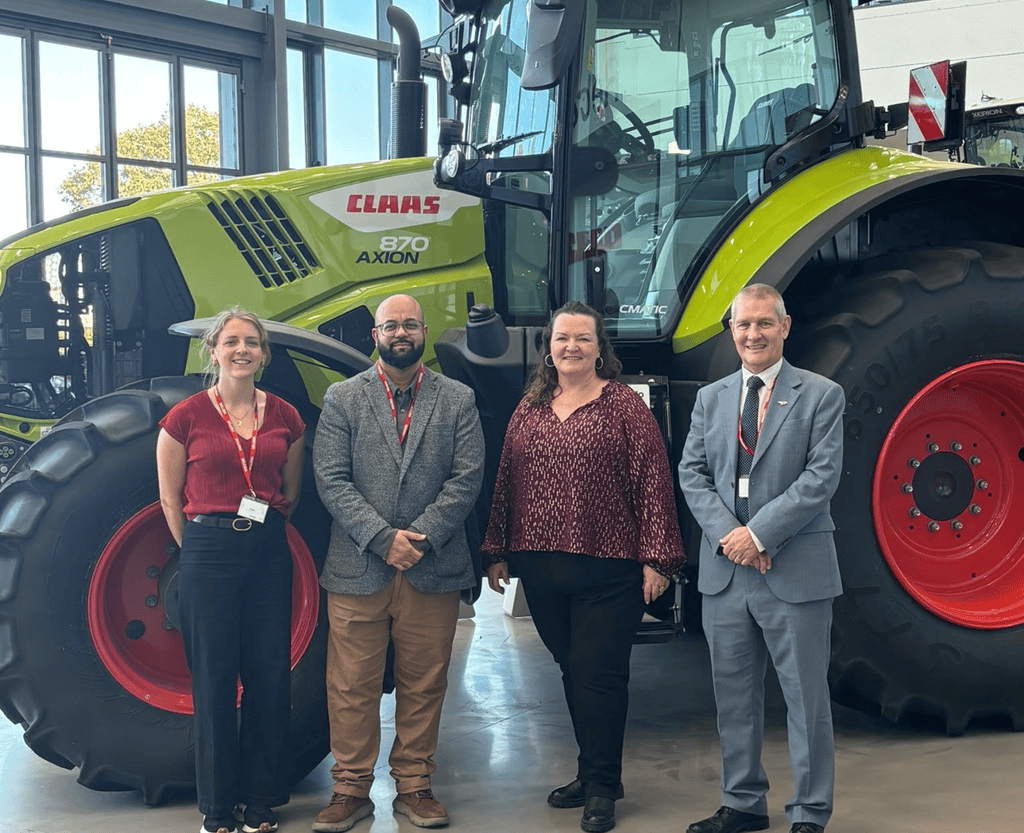
Gail visiting Claas UK
Listening – and acting on what we hear
Listening is equally important. Every event helps us understand companies’ experiences and bring their concerns back into government. Their questions are remarkably consistent. How can they diversify beyond their traditional export markets? What policy and regulatory changes are coming? What does an international development mean for a commercial decision? Who is the right official or overseas contact? They tell us they value timely, practical insight from people with knowledge on the ground. Where another government service is better placed to answer a question, they value a quick connection to the right place.
I have been struck by how often the most valuable insight comes from a table of fifteen rather than a room of two hundred. Larger events extend awareness of the DAH; smaller groups enable more candid discussion and reveal the specific geopolitical challenges where FCDO expertise can have the greatest impact. That feedback is already shaping our offer: more emphasis on curated discussions, introductions to our overseas network and feeding specific concerns back to colleagues across government.
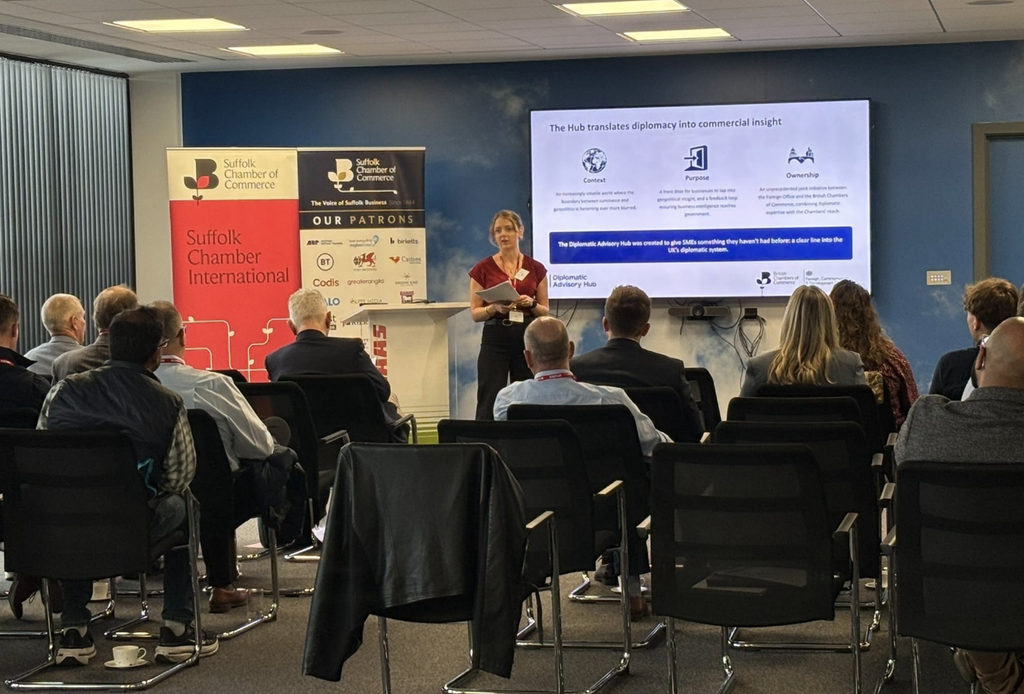
Gail speaking at Suffolk Chamber’s International Forum
Our diplomatic network, closer to home
A visit by a Head of Mission can give an SME direct access to market knowledge and connections that might otherwise feel remote. In September, we began exploring how forthcoming regional visits could connect Ambassadors and other senior diplomats directly with local businesses through Chambers.
We are looking at how the DAH could help build those business connections into the visits. This approach will bring together our diplomatic network’s overseas knowledge and connections with Chambers’ trusted business relationships in communities across the UK.
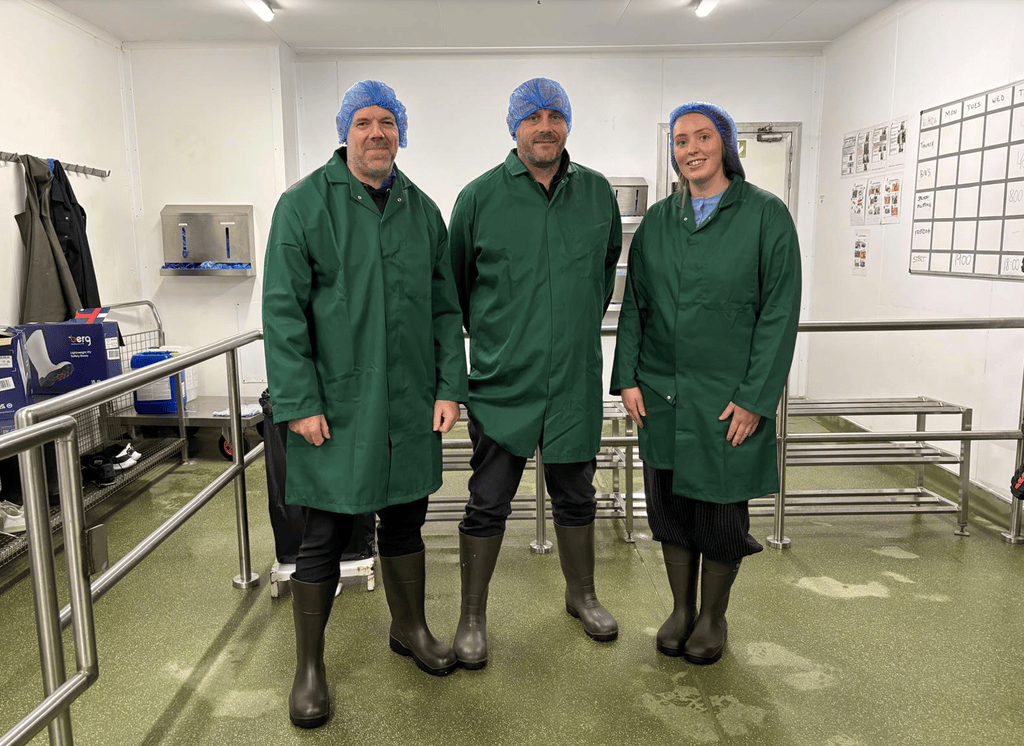
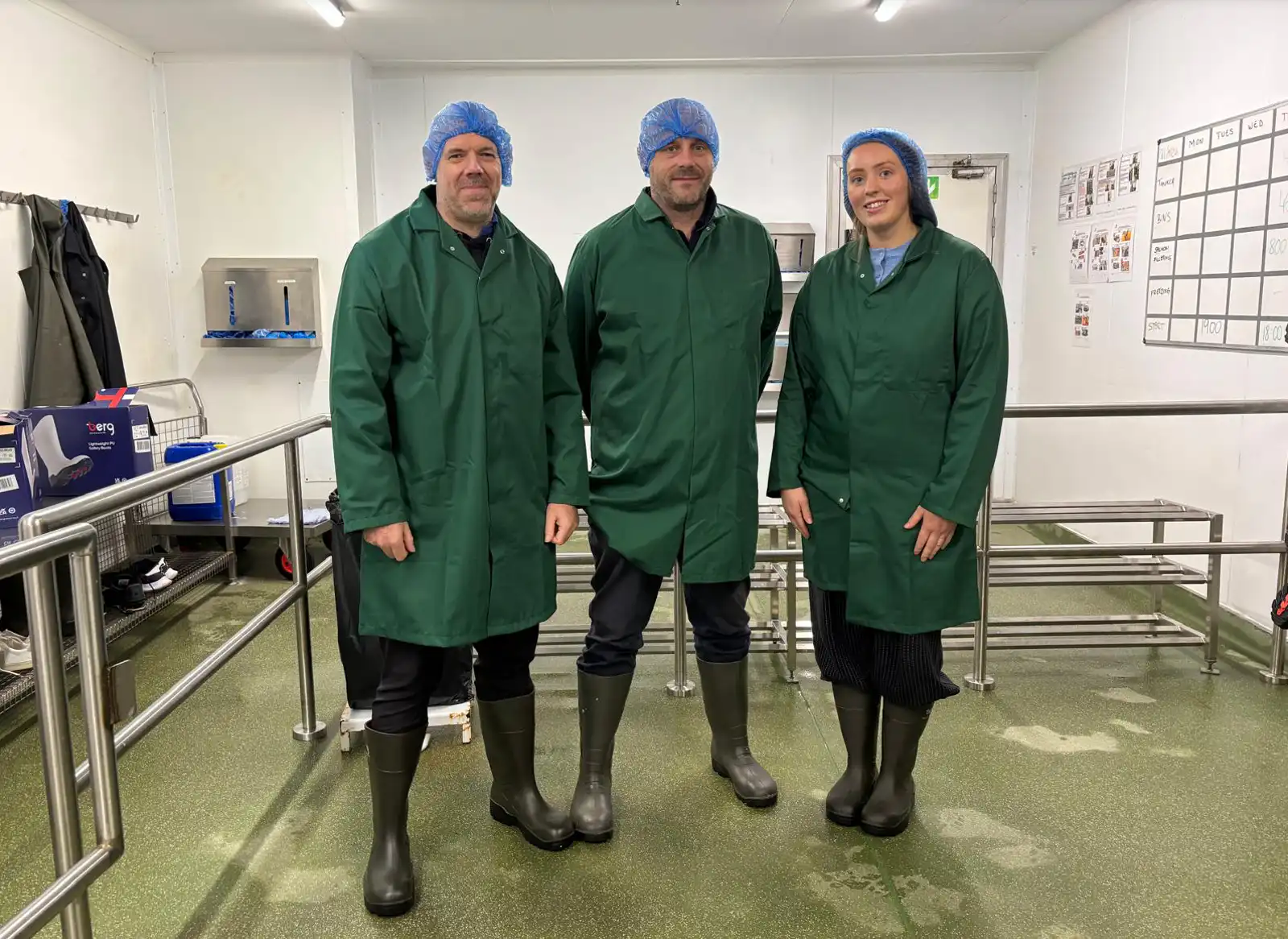
Richard visiting Loch Duart (Premium Scottish Salmon Producer’s) processing facility in Dingwall
Lessons for our next phase
Eight months into the pilot, we are learning to look beyond reach to whether the right firms gain insight and networks they can use: webinars reach widely; face-to-face engagement allows more targeted conversations. For me, a business returning with a sharper, more specific question is one of the most telling signs that the insight has landed.
Our next phase will focus on where diplomatic and geopolitical insight can make the most difference. We’ll be experimenting with smaller-group formats and more sustained targeted support.
How has the DAH benefited your business, and what more could we do? Please share your feedback using the ‘Contact Us’ option on the Diplomatic Advisory Hub website. Your experience, examples and priorities will help shape options for the pilot’s second year and help us decide what comes next.
UK businesses will continue to face geopolitical volatility, changing trading relationships and international competition. After another busy few months on the road, I am increasingly convinced that closer connections between our diplomatic and Chamber networks can help them navigate that complexity.
Richard Oppenheim
Director, Diplomatic Advisory Hub